

News & Updates
Here, we share important insights, tax regulation changes, and useful tips to help sole traders and landlords. Our aim is to keep you informed and empowered, ensuring your business stays compliant and thrives.
Making Tax Digital for Income Tax & what you need to know
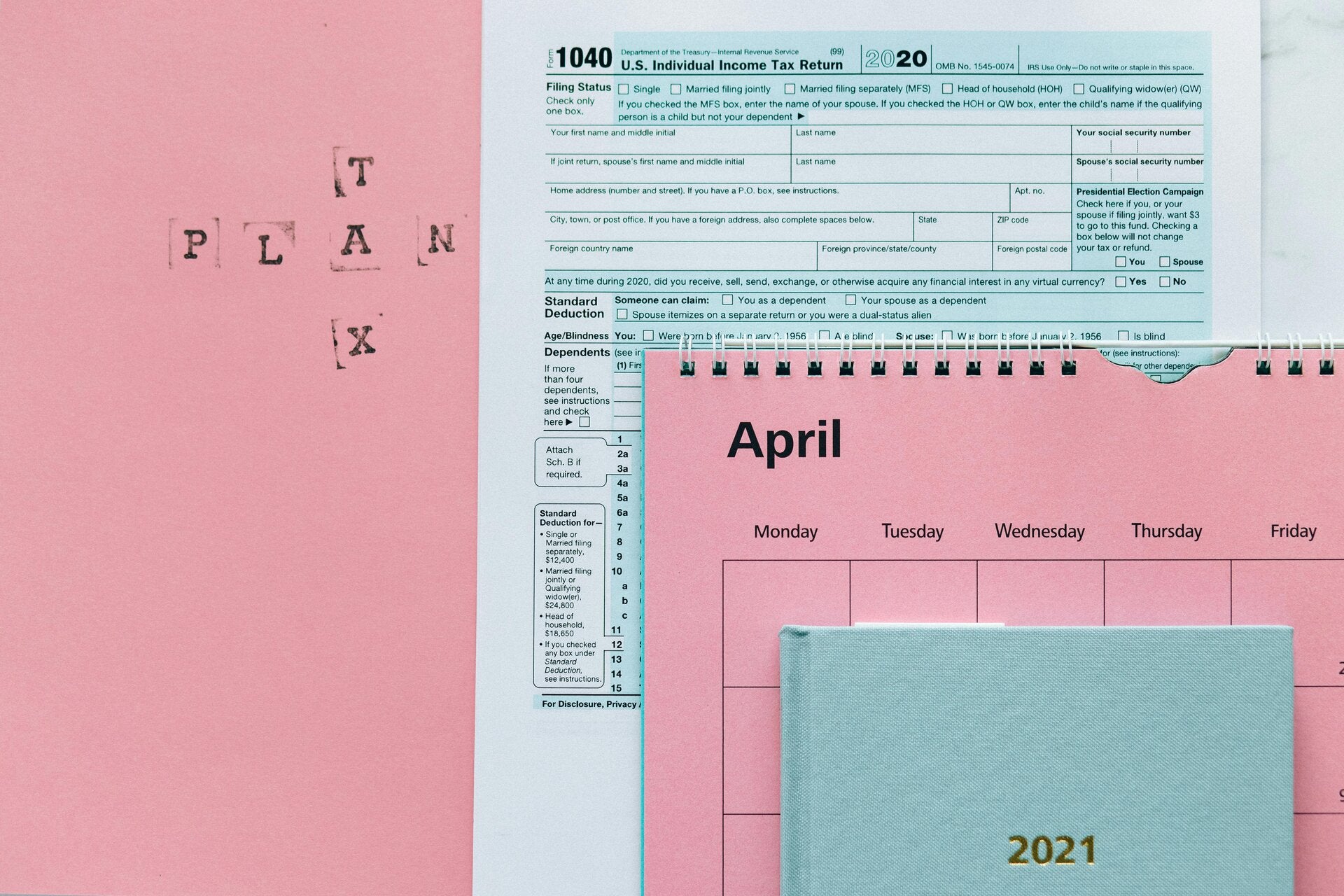
Making Tax Digital for Income Tax (also known as MTD for ITSA) is a new way for sole traders and landlords to report income and expenses to HM Revenue & Customs (HMRC). It’s part of the government’s plan to modernise tax reporting, moving from an annual paper or online Self Assessment to digital quarterly updates using compatible software. This significant change aims to make tax administration more efficient and accurate for businesses and property owners.
Who needs to sign up & when it starts
You need to sign up for MTD for Income Tax if all of the following apply:
- You’re an individual sole trader or landlord (or both)
- You’re registered for Self Assessment
- Your qualifying income from self-employment and/or property exceeds the relevant threshold for the coming tax year.
MTD for Income Tax is being introduced in phases:
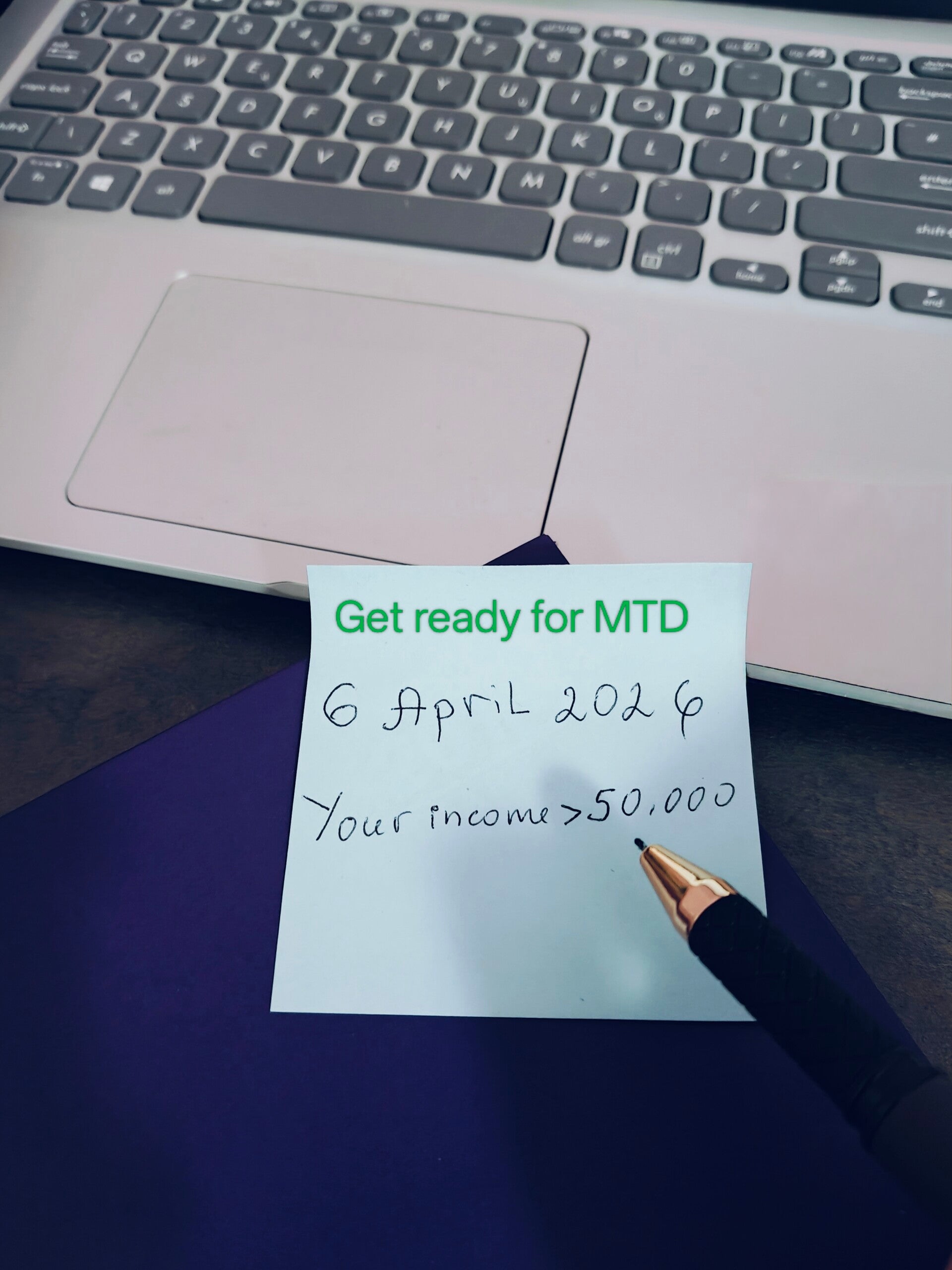
- From 6 April 2026 – if your qualifying income (combined gross income from self-employment and property) is over £50,000 in the tax year.
- From 6 April 2027 – the threshold drops to £30,000.
- From 6 April 2028 – it’s expected to apply from £20,000. (Qualifying income is your total turnover from self-employment and/or rental property before expenses.)
Preparing for MTD for ITSA: your next steps
If you are within scope, you will need to:
- Use compatible software to keep digital records of your income and expenses.
- Send quarterly updates to HMRC, these replace the old single annual Self Assessment submission.
- Finalise your tax position with a year-end declaration and pay any tax due by 31 January following the tax year end.
Don't let these changes overwhelm you. We are here to help you understand and implement MTD for ITSA seamlessly.